
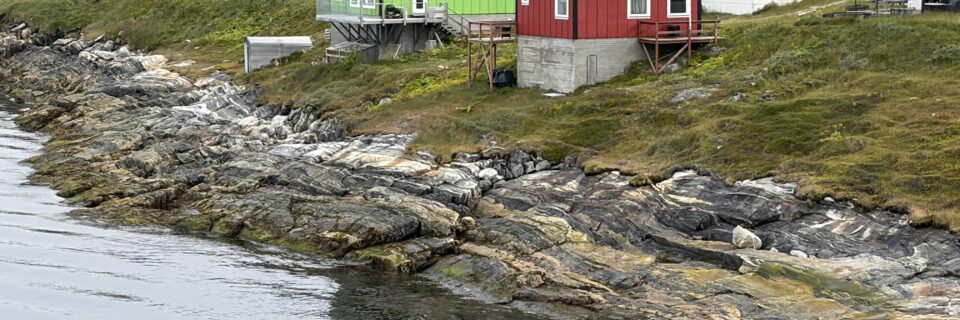
After spending two delightful days in the beautiful city of Copenhagen with my friend, Amy, (if you go, don’t miss the Louisiana Museum), I fly to Greenland where I meet up with 4 other travelers and a guide to spend a week exploring the west side of this tremendously large island. I’m told it is no longer summer here and the 40 degree temperature, thick fog and strong wind confirm that.
Greenland, located largely above the Arctic Circle, is the largest island in the world, three times larger than Texas and approximately 25% larger than Alaska. Roughly 80% is buried under ice. The population is 57,000, 20,000 of whom live in Nuuk, the capital. The island was originally settled in 2500 BCE by people from North America via the Canadian Arctic and represented various Inuit cultures. In 982, the Viking, Erik the Red, banished from Iceland for committing manslaughter, settled on the island, allegedly naming it Greenland in order to sound lush and fertile to attract settlers from Iceland. In 1721, Denmark-Norway began colonizing Greenland when missionary Hans Egede arrived on the island.
Greenland was integrated into the Kingdom of Denmark in 1953 as an autonomous province. Greenlanders are citizens of Denmark. In 2009, home rule was established, expanding the island’s self-government. Economic industries include fishing and mining. Tourism is on the upswing.
Alone on my first day in Nuuk, I walk far and wide, exploring much of the city, looking especially for the charming houses painted in a rainbow of bright colors. I find what I am looking for.
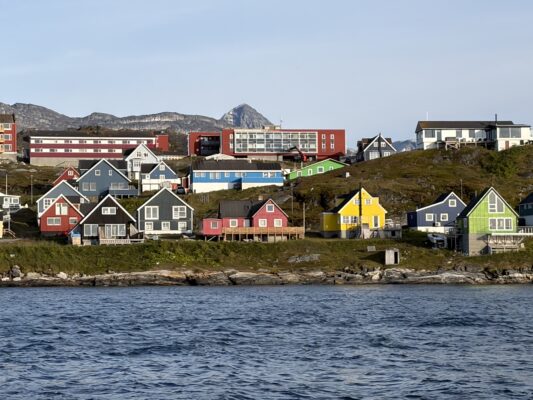
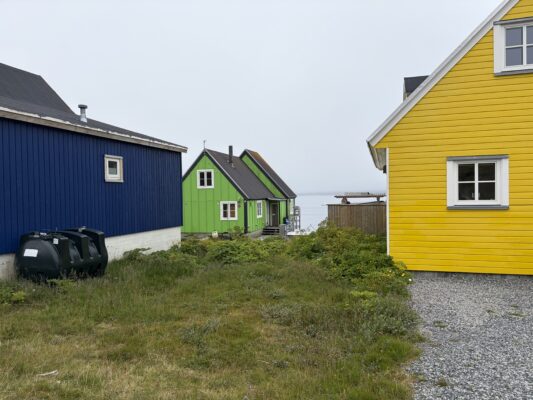
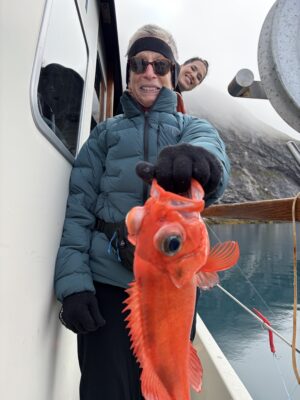
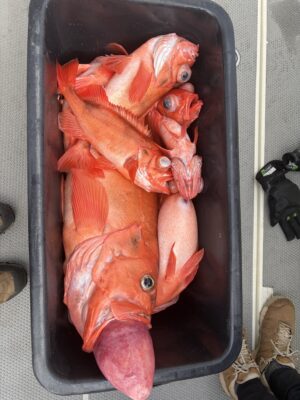
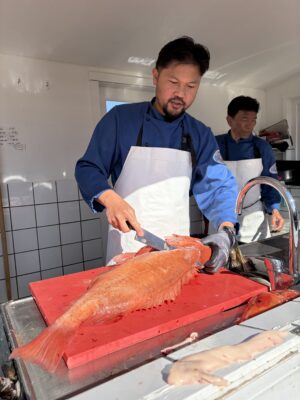
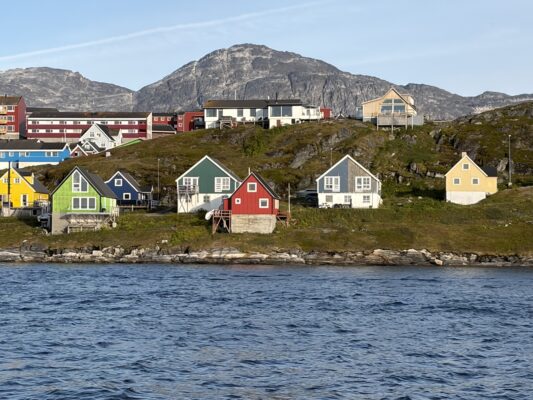 The following day begins cold and foggy. Our group boards an immaculate small boat designed by the captain, a worldly and engaging man who educates us about the history of Greenland and his Inuit people. We traverse the wide and deep fjords, some of the largest in the world. He takes us to his special fishing spot with clear azure water and a roaring waterfall. There, each of us catches cod or Red Rock Fish, the latter of which have sharp spikes. In dying, the stomachs of some of them protrude from their mouths and their eyes bulge. Quite a sight! We deliver our catch to a restaurant located up the fjords in a magnificent setting, where we watch the sous chef fillet the fish. Meanwhile, the weather improves and turns into a perfect day. After a two-hour hike, we are hungry and ready for a most delicious dinner of fish soup and our catch prepared in three different styles. Definitely farm/sea-to-table.
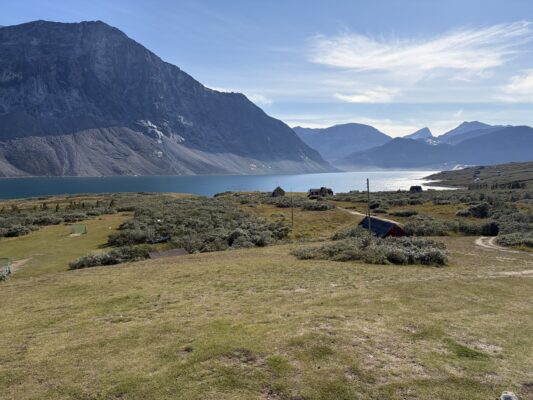
There are no trees or roads in Greenland except in the cities. Well, there’s one gravel road that’s 30 miles long which ends at the ice cap. The only way to get around the island is by boat or plane. The government owns all the land, leasing it to residents to develop.
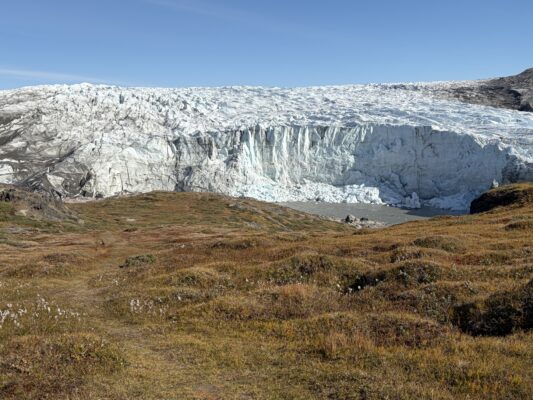
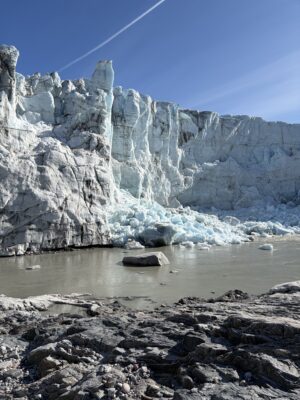
We fly the 45 minutes from Nuuk to Kangerlussuaq, once a US refueling station during World War II, and take the one road to the toe of the Russell Glacier. We hike up close to where the glacier has receded. Impressive at nearly 200’ in height, we hear the melting ice water rush from the glacier and watch the front of the wall calve and crash below.
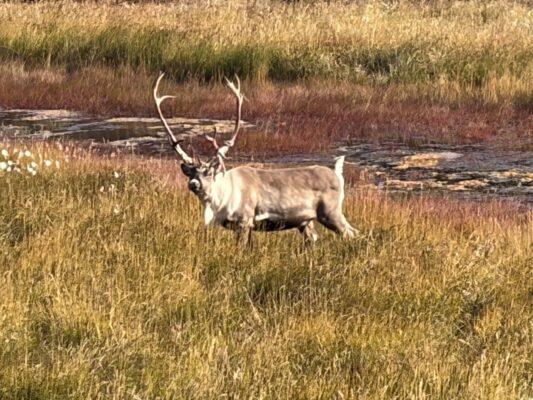
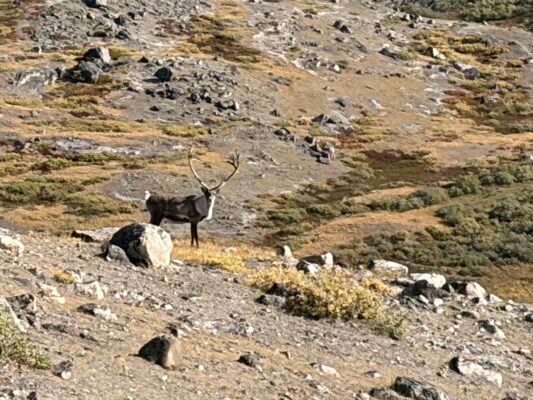
Another day, we hike across the tundra hoping to see musk ox and reindeer (also known as caribou). We see both and an arctic hare (please excuse the blurry photo, the hare was on the run) as white as snow.
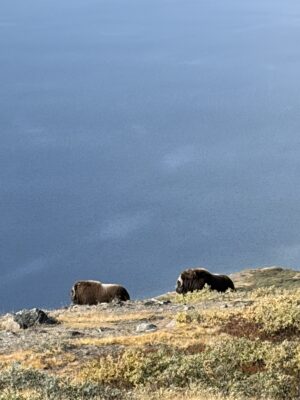
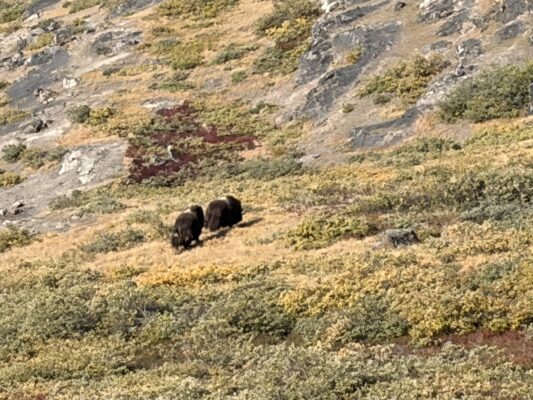
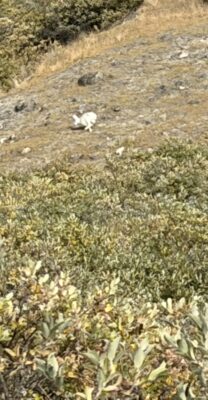
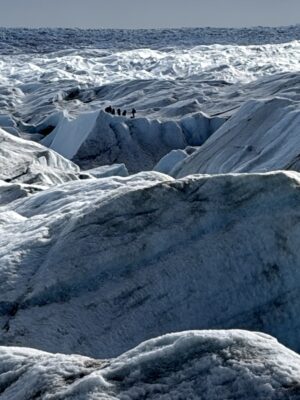
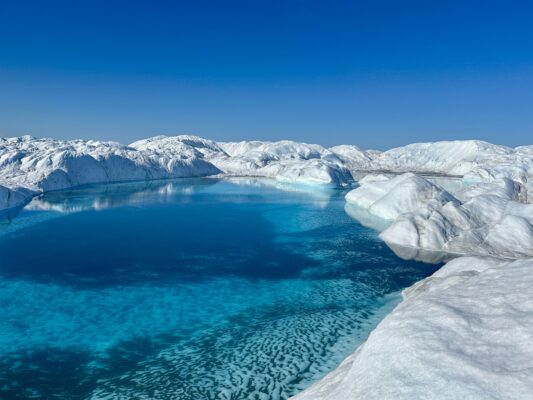
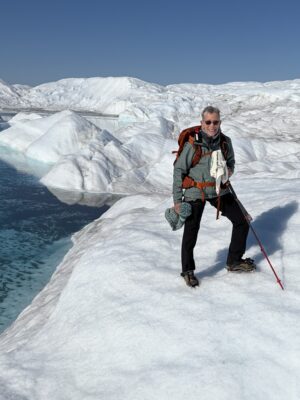
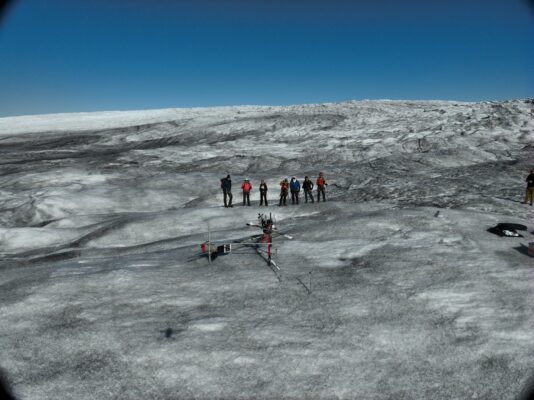
On our final day in Kangerlussuaq, we spend five hours hiking on the Greenland ice sheet, second in size only to the Antarctic ice sheet. The ice is two miles deep and 600 meters in length. We encounter scientists who constantly measure the health of the ice cap which we know is dramatically receding. Guides here report seeing diminishment weekly. We put on our crampons and bundle up for warmth. Who knew an ice sheet had mountains? We hike up and down, over and around crevasses, lakes, and streams. The sun breaks through the overcast creating rays of light in the shattered clouds. The effect is magical, the lakes cerulean. By now, the weather is clear, the temperature higher. We eat our lunch on the ice and begin to take off a layer or two. Our guide requests that we take a moment of silent meditation towards the end of the hike. It is a fitting end to a memorable day.*
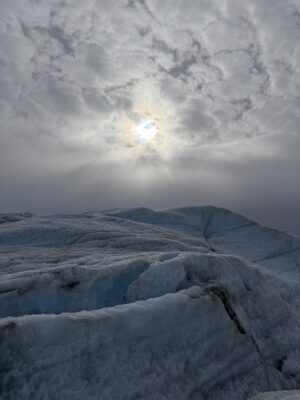
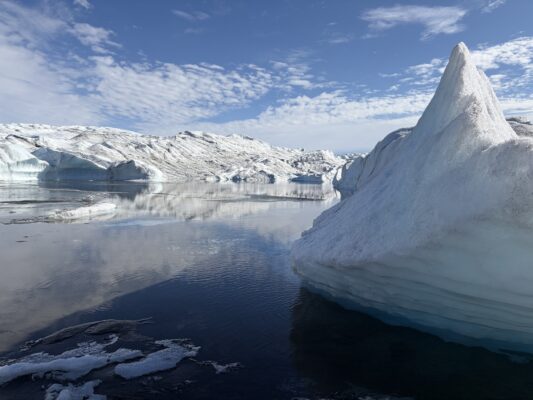
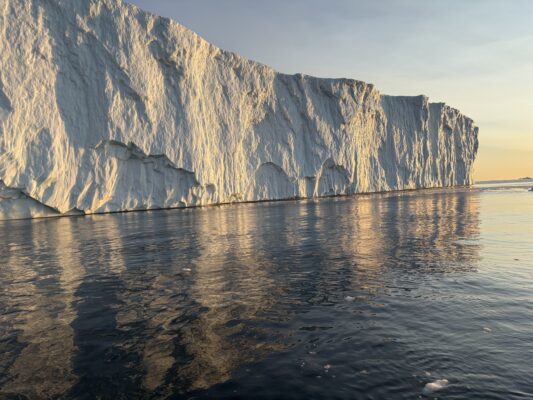
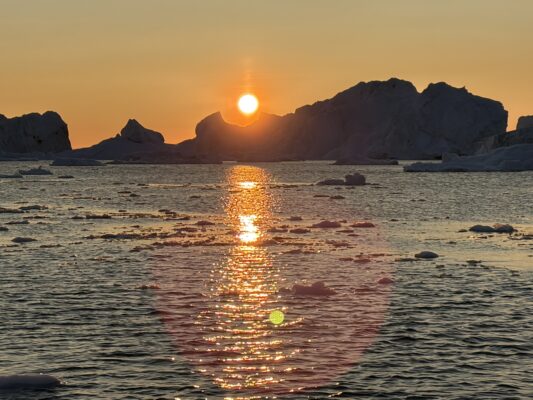
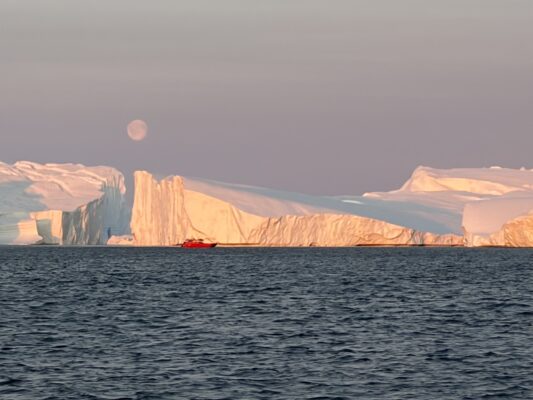
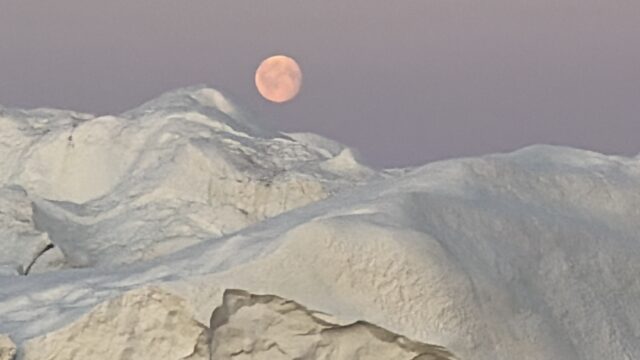
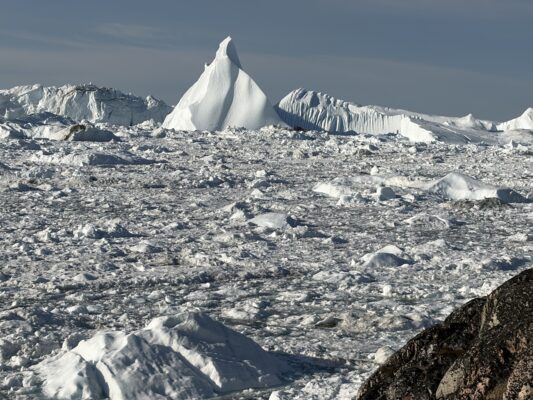
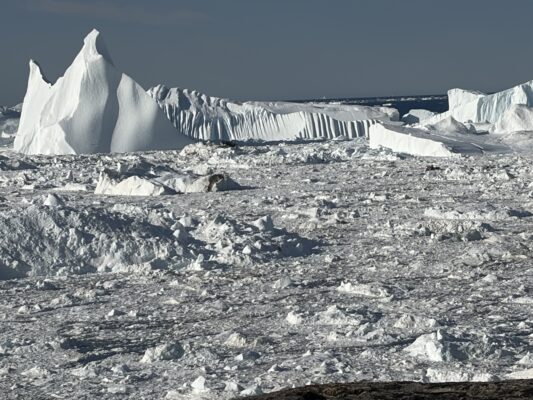
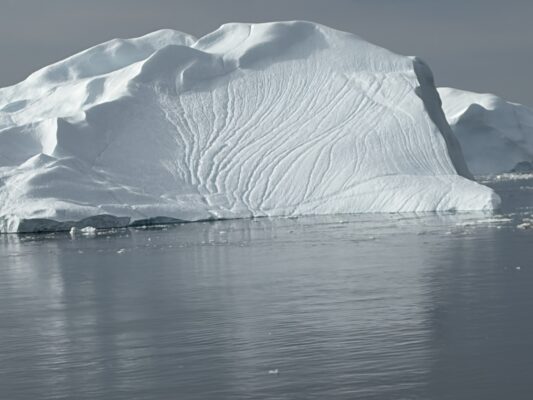
We fly to Ilulissat and in the evening, board a boat that takes us to the Kangia Icefjord, a UNESCO World Heritage Site. There, colossal icebergs that calve from glaciers upstream, are pushed downstream and get clogged at the mouth of the Fjord due to the accumulation of rocks, soil, and dirt, called a moraine. We watch the light change as the sun sets and the moon rises simultaneously. Spectacular!
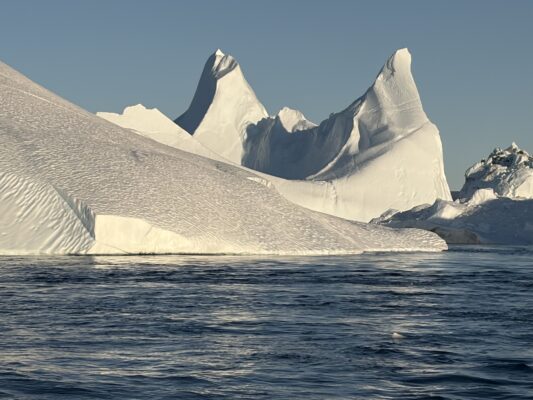
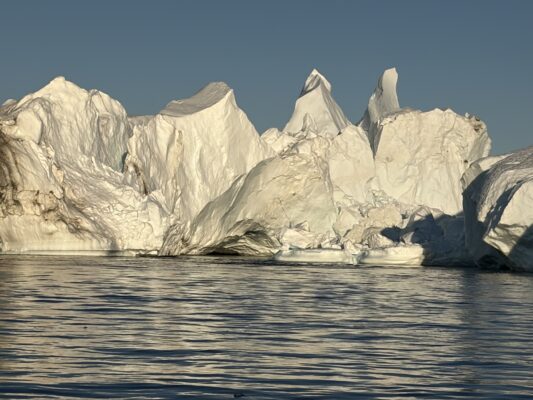
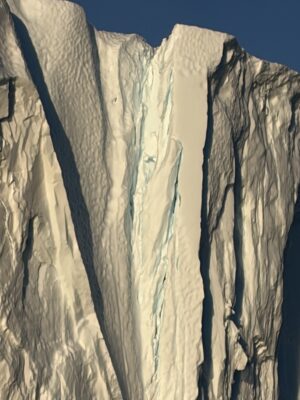
We finish the trip with two long days of hiking mostly along the coast, spending much time pondering the majestic scenery, sometimes sitting in total silence, knowing how fortunate we are to experience wilderness in its natural state and in awe of its beauty and fragility.
*As we were coming off the ice, we encounter a scientist who is studying the ice sheet’s behavior. He is using a drone and offers to take our picture.
3 Comments
Wow, spectacular, and brrrrr! Another amazing adventure
Amazing photos. Love the fish and unbelievable scenery. Looks like a great trip!
Just incredible to experience this ice sheet. As always, you bring your reader to the location. Thank you dear friend.